Mastering Forex Exchange Trading Strategies, Tips, and Insights 1492835610
Mastering Forex Exchange Trading: Strategies, Tips, and Insights
Forex exchange trading, or foreign exchange trading, is the process of exchanging one currency for another in the global financial marketplace. With a daily trading volume exceeding $6 trillion, it represents one of the most liquid and accessible financial markets in the world. As a trader, understanding the intricacies of this market is crucial. In this article, we will explore essential strategies, tips, and insights to excel in forex trading while emphasizing the importance of a well-informed approach. For those who are looking to delve deeper into forex resources and tools, visiting forex exchange trading trading-terminal.com can be a beneficial step.
Understanding the Basics of Forex Trading
At its core, forex trading involves the buying and selling of currency pairs. Each currency pair consists of a base currency and a quote currency. The price of a currency pair reflects how much of the quote currency is needed to buy one unit of the base currency. For instance, in the EUR/USD pair, if the exchange rate is 1.20, it means that 1 Euro is equal to 1.20 US Dollars.
Forex trading operates 24 hours a day, five days a week, which allows traders to react to market news and economic events in real time. The market is divided into major sessions: the Asian, European, and North American sessions. Each session has its own trading characteristics, liquidity patterns, and volatility levels.
Before diving into trading strategies, it’s essential to familiarize yourself with various factors that influence exchange rates, including interest rates, economic indicators, geopolitical events, and market sentiment.
Choosing the Right Trading Strategy
Developing an effective trading strategy is fundamental to successful forex trading. Here are some of the most popular strategies:
1. Day Trading
Day trading involves executing multiple trades within a single day, with the aim of capitalizing on short-term price movements. Day traders often rely on technical analysis and charts to make quick decisions and avoid holding positions overnight, which exposes them to greater risks.
2. Swing Trading
Swing trading focuses on capturing price swings over several days or weeks. Traders identify key support and resistance levels to enter and exit positions, taking advantage of short to medium-term trends. Swing traders often use a combination of technical and fundamental analysis.
3. Scalping
Scalping is a trading strategy that seeks to profit from small price changes over very short time frames, often seconds to minutes. Scalpers execute numerous trades throughout the day, requiring a high level of focus and discipline. This style demands quick decision-making and a solid understanding of market dynamics.
4. Position Trading
Position trading is a long-term strategy where traders hold trades for weeks, months, or even years. This strategy is based on fundamental analysis, allowing traders to capitalize on significant economic shifts. Position traders are less affected by day-to-day market volatility.
Risk Management in Forex Trading
Risk management is one of the most critical aspects of forex trading. Regardless of your strategy, it is important to protect your capital from unexpected market movements. Here are some key risk management techniques:
1. Set Stop-Loss and Take-Profit Orders
Utilizing stop-loss and take-profit orders helps you limit potential losses and secure profits at predetermined levels. A stop-loss order automatically closes a position when the market moves against you, while a take-profit order locks in profits when the market moves in your favor.
2. Diversify Your Portfolio
Diversification involves spreading your capital across multiple currency pairs rather than concentrating on a single trade. This approach can minimize risks associated with sudden market shifts affecting specific currencies.
3. Use Leverage Wisely
Leverage allows traders to control larger positions with a smaller amount of capital. While it can amplify profits, it also increases potential losses. Traders should use leverage judiciously, ensuring they understand the risks involved and never risking more than they can afford to lose.
The Importance of Technical and Fundamental Analysis
Successful forex trading requires a solid understanding of both technical and fundamental analysis.
Technical Analysis
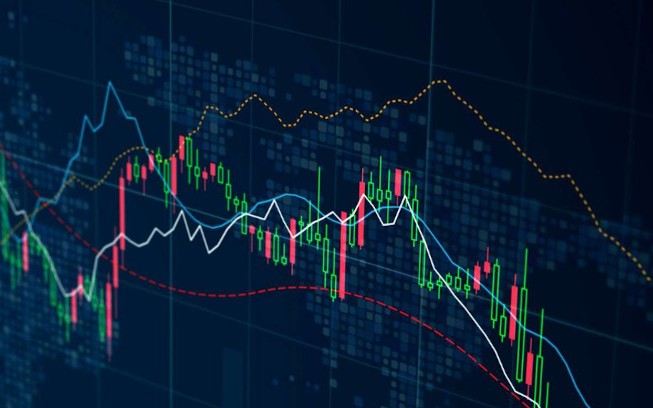
This approach involves analyzing price charts and using indicators to forecast future price movements. Traders study historical price patterns, trends, and market behavior to identify potential entry and exit points. Commonly used indicators include Moving Averages, Relative Strength Index (RSI), and Bollinger Bands.
Fundamental Analysis
Fundamental analysis involves examining economic indicators, such as GDP, employment data, inflation rates, and central bank policies, to assess a currency’s value. Traders analyze news releases and geopolitical events that can impact market sentiment and currency valuation.
Utilizing Trading Tools and Resources
With the advent of technology, traders have access to numerous tools and resources to enhance their trading experience. Here are some valuable tools:
1. Trading Platforms
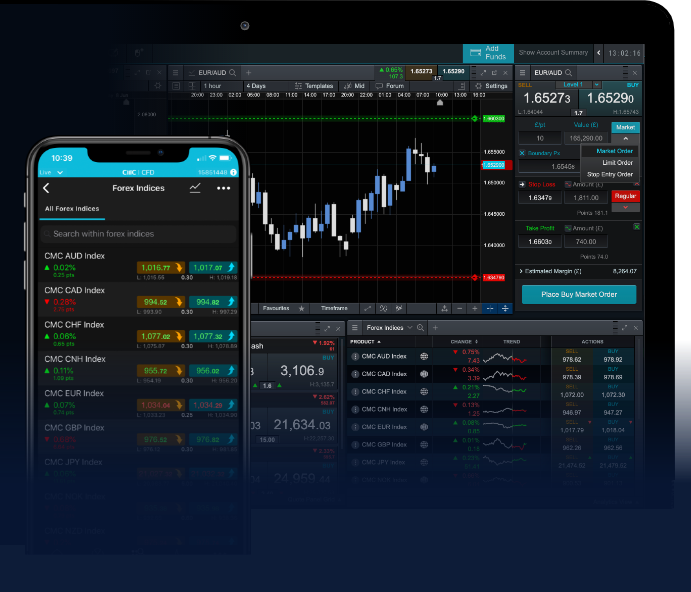
Select a reliable trading platform that suits your trading style. Look for platforms that offer user-friendly interfaces, advanced charting tools, and access to real-time market data. Platforms like MetaTrader 4 and MetaTrader 5 are popular choices among forex traders.
2. Economic Calendars
Economic calendars provide traders with scheduled economic events and news releases that can influence market movements. Staying updated on these events helps traders anticipate volatility and adjust their strategies accordingly.
3. Educational Resources
There are numerous online courses, webinars, and blogs that offer valuable insights into forex trading. Continuous learning is crucial as the market constantly evolves, and staying informed can provide you with a competitive edge.
Conclusion
Forex trading is an exciting and potentially lucrative endeavor, but it requires dedication, practice, and a solid understanding of the market. By focusing on effective strategies, robust risk management, and continuous education, traders can pave their way to success in the forex arena. Always remember, successful trading is a marathon, not a sprint. So, equip yourself with knowledge and stay disciplined in your trading journey.