
Essential Forex Trading Strategies for Beginners 1749897579
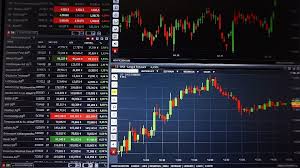
Essential Forex Trading Strategies for Beginners
The forex market can be a wild and unpredictable place, but with the right forex trading strategies for beginners Forex Trading Platforms and strategies, even beginners can find their footing and make wise trading decisions. This article will explore various techniques tailored for new traders looking to navigate the forex waters safely and effectively.
Understanding the Basics of Forex Trading
Before diving into specific strategies, it’s crucial to have a solid understanding of what forex trading entails. Forex, or foreign exchange, is the act of buying and selling currencies to generate profits. Unlike stock markets, forex operates 24 hours a day, five days a week, and involves pairs of currencies, such as EUR/USD or GBP/JPY.
Beginners should familiarize themselves with fundamental concepts such as pips, quotes, leverage, and margin. A pip is the smallest price move that a given exchange rate can make based on market convention, while leverage allows traders to control large positions with a relatively small amount of capital. Understanding these concepts is essential for developing effective trading strategies.
Choosing a Trading Style
Your trading style should align with your personality, schedule, and risk tolerance. Here are three common trading styles that beginners can consider:
- Day Trading: This involves making multiple trades throughout the day, capitalizing on small price movements. Day traders close all positions before the market closes.
- Swing Trading: Swing traders hold positions for several days or weeks, aiming to profit from price swing patterns. This style requires less time commitment than day trading.
- Scalping: Scalpers make numerous small trades within a minute or two to capture small price changes. This high-frequency approach requires quick decision-making and execution.

Implementing Fundamental Analysis
Fundamental analysis involves analyzing financial news, economic indicators, and geopolitical events to forecast currency movements. Key indicators to watch include interest rates, unemployment reports, and inflation data. Beginners should focus on:
- Staying updated with economic calendars that outline important releases.
- Understanding the impact of central banks, such as the Federal Reserve or the European Central Bank, on currency value.
- Monitoring news for potential political or economic shifts that may affect the forex market.
Utilizing Technical Analysis
Technical analysis involves studying past price movements to forecast future price behavior. Beginners can use various tools and charts to perform technical analysis, including:
- Chart Patterns: Recognize common patterns such as head and shoulders, triangles, and flags, which can indicate future price movements.
- Indicators: Explore common indicators—such as moving averages, Relative Strength Index (RSI), and MACD—that help identify entry and exit points.
- Support and Resistance Levels: Identify key price levels where the market has historically reversed, assisting traders in determining optimal trade placements.
Risk Management: A Crucial Element
One of the most important aspects of trading that beginners often overlook is risk management. Even seasoned traders use this strategy to protect their capital. Here’s how beginners can implement effective risk management:

- Use Stop-Loss Orders: A stop-loss order automatically closes a trade when it reaches a certain level. This limits potential losses on trades.
- Never Risk More Than You Can Afford to Lose: Consider the percentage of your capital you risk on any trade. A common rule is to limit risk to 1-2% of your trading account.
- Diversify Your Portfolio: Don’t put all your eggs in one basket. Spread your risk across different currency pairs to mitigate losses.
Developing a Trading Plan
Having a comprehensive trading plan is essential for any forex trader. Your plan should encompass the following:
- Goals and objectives: Clearly outline what you aim to achieve through trading.
- Trading rules: Define specific strategies for entering and exiting trades, including conditions based on both technical and fundamental analysis.
- Journaling: Keep track of all trades, including your reasoning for entering or exiting, to identify patterns and improve your decision-making process over time.
Practice Makes Perfect: Demo Trading
Before jumping into live trading with real money, beginners should consider opening a demo account with a forex trading platform. A demo account allows you to practice your trading strategies and familiarize yourself with the trading platform without financial risk. Set aside time to simulate live trading situations and test your strategies while building confidence.
Continuous Learning and Adaptation
The forex market is dynamic and ever-changing. As a beginner, it’s crucial to embrace continuous learning. Participate in online courses, webinars, and forums to expand your knowledge and stay updated on market trends and new trading strategies. Engage with other traders, learn from their experiences, and adapt your strategies to current market conditions.
Conclusion
Forex trading can be both rewarding and challenging for beginners. By understanding the basics, choosing the right trading style, utilizing fundamental and technical analysis, and managing risk effectively, new traders can start their journey with confidence. Remember to develop a solid trading plan and engage in constant learning while using available resources, including demo accounts. With time and experience, you’ll enhance your trading ability and aim for success in the forex market.