
Forex Trading Basics A Comprehensive Guide for Beginners 1632149204
Forex Trading Basics: Understanding the Market
Forex trading, also known as foreign exchange trading, involves the buying and selling of currencies in the foreign exchange market. This market is one of the largest and most liquid financial markets in the world, with a daily trading volume exceeding $6 trillion. For anyone looking to dive into the world of Forex, a solid understanding of the basics is essential. In this article, we’ll explore the foundational elements of Forex trading, helping you to grasp key concepts and strategies, and paving the way for your journey in the Forex market. You can also visit forex trading basics https://forex-level.com/ for more resources and insights.
What is Forex Trading?
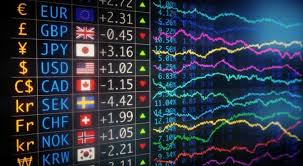
Forex trading refers to the process of exchanging one currency for another, with the aim of making a profit. Currencies are traded in pairs, where one currency is bought and another is sold. For example, in the currency pair EUR/USD, the Euro is the base currency, and the US Dollar is the quote currency. When you trade this pair, you are speculating on whether the Euro will rise or fall in value compared to the Dollar.
Understanding Currency Pairs
Currency pairs are categorized into three main types: major pairs, minor pairs, and exotic pairs. Major pairs include the most frequently traded currencies, such as EUR/USD, USD/JPY, and GBP/USD. Minor pairs consist of currencies that are less commonly traded, like EUR/GBP or AUD/NZD. Exotic pairs involve a major currency paired with a currency from a developing or smaller economy, for example, USD/THB (US Dollar/Thai Baht).
Key Terminology in Forex
To navigate Forex trading successfully, you need to familiarize yourself with some key terms, including:
- Pip: The smallest price movement in a currency pair, typically equal to 0.0001 for most pairs.
- Spread: The difference between the bid price and the ask price of a currency pair.
- Leverage: A tool that allows you to control a larger position with a smaller amount of capital. Leverage can amplify both profits and losses.
- Margin: The amount of money required to open a leveraged position.
- Lot: A standardized unit of measure for a trade. A standard lot is 100,000 units of the base currency.
How to Get Started in Forex Trading
If you’re interested in trading Forex, you’ll need to take several steps to ensure you’re prepared:
- Educate Yourself: Take the time to learn about Forex trading basics before you start. Numerous online resources, courses, and forums exist to help beginners.
- Choose a Reliable Broker: Select a Forex broker that suits your needs. Look for factors such as regulatory compliance, trading platform, spreads, and customer service.
- Open a Demo Account: Most brokers offer demo accounts that allow you to practice trading with virtual money. This is an excellent way to hone your skills without risking real capital.
- Develop a Trading Plan: A well-thought-out trading plan is crucial for success. Include aspects such as your trading goals, risk tolerance, and trading strategies.
- Start Trading: Once you feel confident in your abilities, you can begin trading with real money, starting with small investments.
Basic Trading Strategies
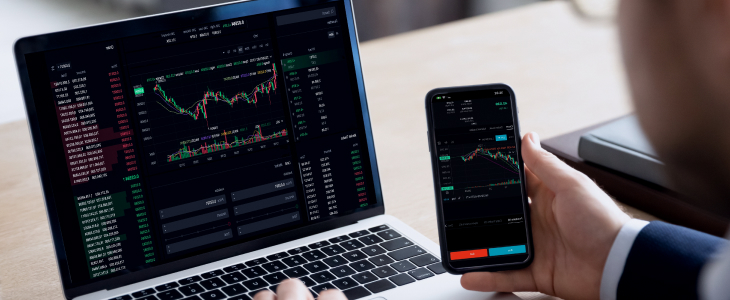
Successful Forex trading often relies on a combination of analysis and strategy. Here are some basic strategies to consider:
1. Scalping
Scalping involves making multiple trades throughout the day, aiming to profit from small price movements. Scalpers often hold positions for just a few minutes. This strategy requires quick decision-making and a reliable trader’s platform.
2. Day Trading
Day trading entails entering and exiting positions within the same trading day. Day traders typically do not hold positions overnight to avoid exposure to market volatility. This strategy demands a deep understanding of market trends and technical analysis.
3. Swing Trading
Swing traders aim to capture price swings over several days or weeks. This strategy relies on technical and fundamental analysis to identify potential entry and exit points. Swing trading is less intense than day trading and may be suitable for those unable to monitor the market constantly.
4. Position Trading
Position trading entails holding trades for an extended period, ranging from weeks to months. This strategy relies heavily on fundamental analysis and long-term trends, making it suitable for traders who prefer a more laid-back approach to the market.
Risk Management in Forex Trading
Effective risk management is essential for long-term success in Forex trading. Traders should consider the following practices:
- Use Stop-loss Orders: A stop-loss order automatically closes a trade at a predetermined price, limiting potential losses.
- Risk Only a Small Percentage of Your Capital: Many traders recommend risking no more than 1-2% of your trading capital on any single trade.
- Diversify Your Portfolio: Spread your investments across different currency pairs to mitigate risk.
- Stay Informed: Keep up with economic news and events that could influence currency prices.
Conclusion
Forex trading can be a rewarding venture for those willing to invest time in learning and understanding the market. By familiarizing yourself with the basics, developing a trading plan, and implementing effective risk management strategies, you can navigate the Forex landscape more confidently. Remember, continuous education and practice are key to becoming a successful Forex trader.